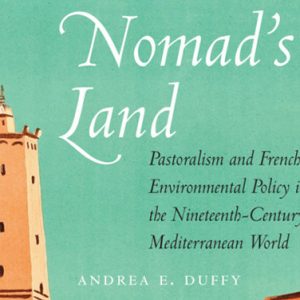
Congratulations to Dr. Andrea Duffy, Director of International Studies, whose book Nomad’s Land is the co-recipient of the 2019 Weyerhaeuser Book Award for superior scholarship in forest and conservation history! Find out more on the Forest History Society website: https://foresthistory.org/awards-fellowships/weyerhaeuser-award/.
Dr. Foster was recently interviewed by New Books Network podcast about his 2019 book Conscripts of Migration. Access the full podcast here: https://newbooksnetwork.com/ian-foster-conscripts-of-migration-neoliberal-globalization-nationalism-and-the-literature-of-new-african-diasporas-up-of-mississippi-2019.
A great number of faculty used the normal downtime of summer to reimagine and rebuild their classes to accommodate the variety of modalities available to students this fall (face-to-face, hybrid, online).
We are so proud of our students, who continue to win nationally-competitive merit scholarships for international research and language study! This year, we highlight the following student achievements: Hannah Hurlbut—Fulbright Scholarship Caroline Dunphy—Boren Award Natalie Montecino—Critical Language Scholarship Learn more here: CSU students win prestigious Boren Awards for foreign language, international skills
We are excited to announce that INST Major Paine Lewis will be traveling to Latvia in January for intensive language study, thanks to a generous Boren Award. Paine is the second INST major and the fourth CSU student since 2001 to receive this highly competitive national award, which supports national security and critical language study. […]
Dr. Andrea Duffy, Director of International Studies, explores colonial administrative policy and environmental injustice in her new book Nomad’s Land: Pastoralism and French Environmental Policy in the Nineteenth-Century Mediterranean, published by the University of Nebraska Press in December 2019. Read the feature on her work in Source, CSU’s online news magazine. Find out more about […]
In the 1800s, shepherds around the Mediterranean Sea moved their flocks between summer and winter pastures seasonally, traveling through forests in southern France and other areas.